Milwaukie homes built before the 1970s in neighborhoods like Ardenwald and Hector Campbell often have original fiberglass batts or loose-fill that compress and lose R-value after repeated winter wetting from the area's mild but persistent rains. When a roof leak or ice dam near the Willamette River saturates insulation, the material molds quickly in the damp climate and can no longer stop heat loss during the dry summers when HVAC loads spike. Emergency calls frequently come from Island Station properties where river humidity accelerates condensation in poorly vented attics.
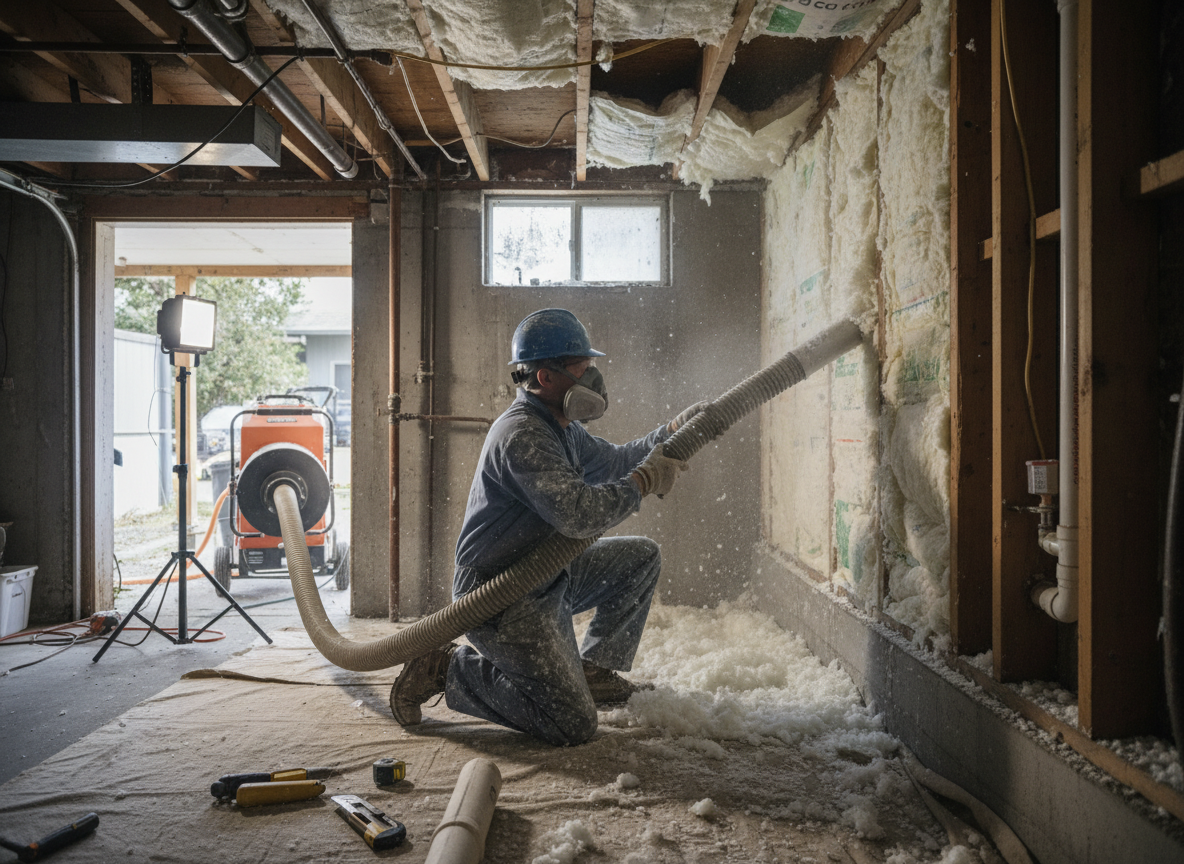
Technicians responding at any hour must first isolate the water source, remove saturated sections without disturbing intact areas, and prevent cross-contamination into living spaces common in Downtown Milwaukie bungalows. Replacement uses closed-cell spray foam or mineral wool in wet-prone zones because these resist future moisture better than standard fiberglass in Clackamas County conditions. Access through knee walls or cathedral ceilings in older stock often requires temporary openings that are closed the same day to avoid additional weather exposure.
Code requirements in Milwaukie mandate vapor retarders on the warm side in attics and proper ventilation ratios that many pre-1980 homes never met. Skipping these details during an emergency patch leads to recurring failures once the next wet season arrives. Crews carry moisture meters and infrared cameras to map hidden wet zones along exterior walls facing prevailing winter winds.
Seasonal Moisture Patterns
Wet winters followed by warm dry summers create expansion-contraction cycles that crack older sealants around vents and skylights, letting rain reach insulation. Checking these transition points during every emergency visit prevents repeat calls from the same Ardenwald addresses.
Technician insight
In Milwaukie the thing that catches most people out with emergency insulation repair is how quickly river humidity in neighborhoods like Island Station turns a small roof leak into widespread attic saturation; older homes lack the vapor barriers newer builds have, so one wet winter season can ruin insulation that looked fine from below.
Ardenwald Attic Saturation
A homeowner in Ardenwald noticed ceiling stains after a heavy winter rain. Inspection found saturated fiberglass along the north slope where the original vent flashing had failed. Crews removed the wet material, sealed the leak, and replaced the section with mineral wool suited to the area's moisture cycles. The home regained full attic performance before the next storm front moved through from Portland.
How it works
- 1
Initial Assessment
Technician arrives within hours, uses moisture meters and infrared to locate wet insulation across attics and walls without unnecessary demolition.
- 2
Water Source Isolation
Identify and stop the leak from roof, plumbing, or condensation before any insulation work begins to avoid trapping new moisture.
- 3
Removal and Containment
Extract saturated material, bag it on site, and protect living areas from dust or mold spores common in older Milwaukie homes.
- 4
Targeted Replacement
Install moisture-resistant insulation matched to the home's existing R-value and ventilation, focusing on river-adjacent humidity zones.
- 5
Final Verification
Re-check moisture levels and airflow, then restore access points so the home returns to normal use the same day.
Pricing
Upfront quotes after inspection; final cost depends on access difficulty, amount of material affected, and whether walls or attics require opening.